
Ordering Backup Prescription Glasses Wisely

A misplaced pair in a hotel room, a broken hinge before a presentation, or glasses left on the kitchen counter can turn an ordinary day into an unnecessary interruption. If you rely on prescription eyewear from the moment you wake up, ordering backup prescription glasses is not an indulgence. It is practical preparation for work, driving, travel, screens, and everything that cannot wait for a replacement pair.
A backup pair should not be an afterthought pulled from a drawer years later. The best spare glasses are current, comfortable, and intentionally chosen for the way you live. They give you the confidence to keep moving when your primary pair needs an adjustment, repair, or simply has gone missing.
Why ordering backup prescription glasses is worth it
Most people do not realize how much they depend on their glasses until they cannot find them. For a single-vision wearer, even a short lapse in clear vision can make driving, reading messages, working at a computer, or recognizing faces difficult. For progressive lens wearers, an outdated spare can be even more frustrating because the lens design may no longer match current visual needs.
A thoughtfully selected second pair protects more than your schedule. It protects your comfort and safety. If you drive regularly, spend long hours on digital devices, travel for business, or manage a busy household, a reliable spare removes one small but meaningful source of stress.
It also gives your primary pair a break. Rotating between two pairs can reduce daily wear on hinges, temples, and lenses. While premium frames are made to last, every pair benefits from professional adjustments and occasional rest from the demands of everyday use.
Start with an up-to-date prescription
Before choosing a backup pair, make sure the prescription reflects how you see now, not how you saw two or three years ago. Small changes in sphere, cylinder, axis, prism, or reading addition can make an old pair feel noticeably less comfortable. This is especially true after age 40, when near vision can change more quickly, or when you have noticed more eyestrain, headaches, glare, or difficulty driving at night.
Your backup prescription does not always need to be identical to your primary pair, but it needs to be appropriate for its purpose. A second pair intended for all-day wear should usually carry your complete, current prescription. A pair reserved for computer work, driving, or reading may benefit from a more specialized approach.
An experienced optician can help determine whether the prescription and lens design should match exactly or be tailored to a specific use. No rushing, no pressure. The goal is to make the spare pair genuinely useful when you need it.
Choose the job your backup glasses need to do
The most useful backup is often a second everyday pair. It should be comfortable enough for a full workday, polished enough for a meeting, and dependable enough for driving home after dark. For many clients, this means choosing a frame with a familiar fit and lenses comparable to their primary pair.
Still, there are situations where a purpose-built backup makes more sense. Someone who works between multiple screens may prefer occupational lenses designed around desktop and near tasks. A frequent driver may benefit from a dedicated pair with glare-reducing driving lenses. A traveler may want a durable, versatile pair that stays in a carry-on rather than living at home.
Consider where the glasses will remain. One pair at the office, one in the car, or one in a travel case can be helpful, but avoid leaving eyewear in extreme Texas heat. High temperatures can affect lens coatings and may warp some frame materials. A drawer at work or a protective case in your bag is usually the better choice.
Match the lens quality to your daily life
A backup pair should still provide clear, comfortable vision. Choosing the least expensive lens option simply because it is a spare can create a pair you avoid wearing. That defeats the purpose.
For all-purpose backup glasses, premium anti-reflective coating is often a wise investment. It helps reduce distracting reflections, improves cosmetic appearance, and can make night driving and screen use more comfortable. Durable coatings are particularly valuable for a pair that may spend time in a bag, desk drawer, or travel case.
ZEISS lens technology offers several options worth discussing based on your routine. ZEISS SmartLife lenses are designed around modern viewing behaviors, including frequent shifts between distance vision and digital devices. For progressive wearers, an advanced progressive design can provide a more natural visual experience and easier adaptation than a basic progressive lens. If your primary frustration is evening glare, a dedicated driving solution may be more valuable than duplicating an everyday lens exactly.
Photochromic lenses can also be practical for a backup pair, particularly if you move frequently between indoor and outdoor settings. They are not a replacement for dedicated prescription sunglasses in every situation, especially behind a windshield, but they offer useful flexibility for errands, school pickup, walks, and travel.
Frame fit matters just as much the second time
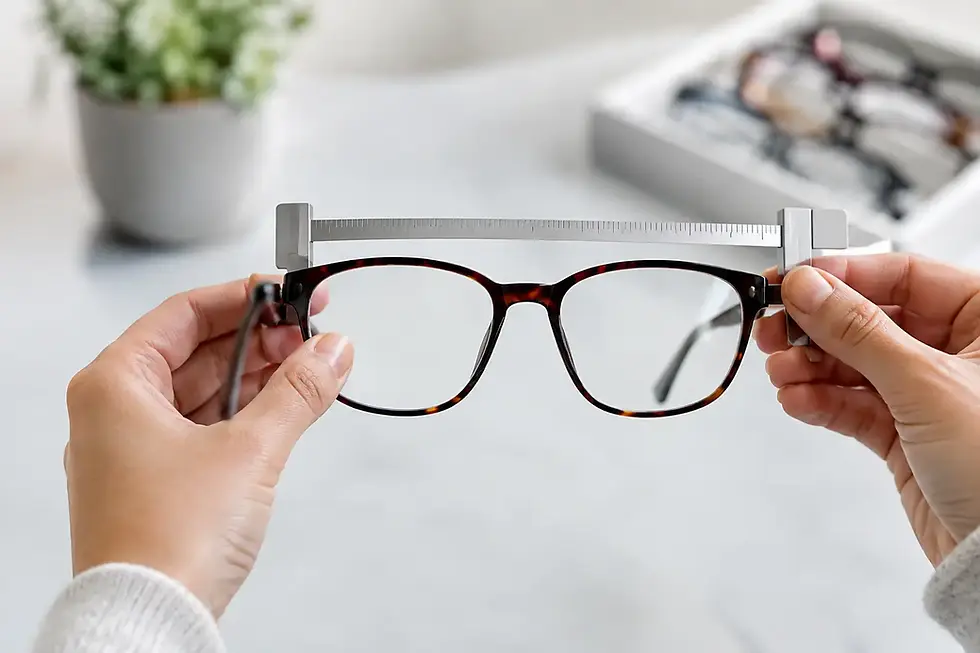
A spare pair should feel secure without pinching, sit at the correct height, and keep the optical center of the lenses properly aligned with your eyes. Those details influence visual clarity, particularly with progressive lenses and stronger prescriptions.
It can be tempting to order a similar-looking frame in a different size without trying it on. Similar is not always the same. Bridge shape, lens depth, temple curve, frame weight, and the way a material rests on your nose all affect comfort. A frame that looks right in a photo may shift when you look down at your phone or leave pressure marks after an hour of wear.
This is where independent optical guidance makes a real difference. At Optica Caballero, the fitting conversation includes how you work, drive, read, use screens, and wear your glasses throughout the day. A refined frame should complement your style, but it must also support the lens design and prescription you need. Your vision deserves more than a transaction.
Decide whether to duplicate or diversify
There is comfort in choosing the same frame and lens configuration as your primary glasses. You know the fit, visual experience, and appearance. If your first pair has become your go-to for every part of the day, a near-identical backup is often the simplest answer.
But a second pair also creates an opportunity to solve a different problem. You might choose a lighter titanium frame for travel, a more durable style for weekends, or a distinct color and silhouette that gives your wardrobe another option. Independent collections offer personality without requiring you to compromise on fit or craftsmanship.
For progressive wearers, the decision deserves extra attention. A duplicate lens design can make switching between pairs effortless. A specialized computer or driving pair can improve performance for a particular task, but it may not replace your all-day progressive glasses. The right choice depends on whether you need insurance against loss or a different visual tool for a specific environment.
Timing your second pair well
The best time to order a backup pair is when your primary glasses are new and your prescription has just been confirmed. Measurements are current, your preferred fit is fresh in mind, and you can compare lens options before an urgent need forces a quick decision.
If you have a simple single-vision prescription, same-day eyewear may be possible in certain cases. More customized lenses, stronger prescriptions, advanced progressives, and specialty coatings generally require additional time. Planning ahead gives you better choices and avoids settling for whatever is available when a mishap occurs.
Keep your second pair in a hard protective case, clean it with proper lens spray and a microfiber cloth, and bring both pairs in for periodic adjustments. Frames can shift over time, even when they are not worn every day. A quick professional adjustment can keep your spare ready rather than merely stored.
A backup pair should feel like a quiet assurance, not a compromise. Choose glasses you would be happy to wear anywhere, then keep them close enough that a broken frame or forgotten case never gets to decide how your day unfolds.


Comments