
Premium Eyewear Consultation Guide for Better Vision

A great pair of glasses should disappear on your face while making the world noticeably clearer. That is the purpose of a premium eyewear consultation guide: to help you make decisions based on how you actually live, work, drive, read, and present yourself - not simply what happens to be on display.
At Optica Caballero, a consultation is not a quick transaction between an exam and a checkout counter. It is a focused conversation about your prescription, your visual habits, your comfort, and the details that make eyewear feel personal. No rushing, no pressure. We take the time to get it right.
What a Premium Eyewear Consultation Should Cover
A premium consultation begins before you try on a frame. Your optician should ask questions that reveal more than your prescription strength. Do you spend hours moving between multiple monitors? Are you regularly behind the wheel after dark? Do you read on a phone in bed, travel often, or move between office meetings and outdoor time throughout the day?
Those answers affect the lens design, coating, material, and frame shape worth considering. A person who works at a laptop all day may benefit from a different progressive design than someone whose work requires frequent distance viewing and driving. Someone who spends weekends on the water or at their child’s sporting events may need a prescription sunwear solution, not just a darker everyday lens.
Your prescription matters, but it is one part of the picture. The goal is eyewear that supports your full routine with sharper vision and less effort.
Start With Your Real Visual Frustrations
Bring up the small problems you have learned to tolerate. Maybe road signs seem less crisp in the rain. Maybe you remove your glasses when reading because your progressive lenses feel narrow at close range. Perhaps your frames slide when Houston heat and humidity arrive, or you have noticed more eye strain after long stretches of screen work.
Specific examples help an optician identify the real source of the issue. It may be a lens design problem, an outdated prescription, an inaccurate fitting measurement, frame alignment, or a coating that is no longer performing as it should. Premium eyewear is not necessarily about choosing every available upgrade. It is about choosing the elements that solve your particular problem.
Choosing Frames That Fit Your Face and Your Life
Style is personal, and a well-curated optical boutique should leave room for it. The right frame can be quiet and architectural, colorful and expressive, or classic with a refined edge. Independent collections such as Ørgreen Optics, Peter and May, OVVO Optics, RAEN, Gast, and UNIQUE DESIGN MILANO offer a welcome alternative to frames that feel interchangeable.
Still, appearance is only half the decision. A frame has to support the prescription and remain comfortable through a full day.
Fit Is More Precise Than Frame Size
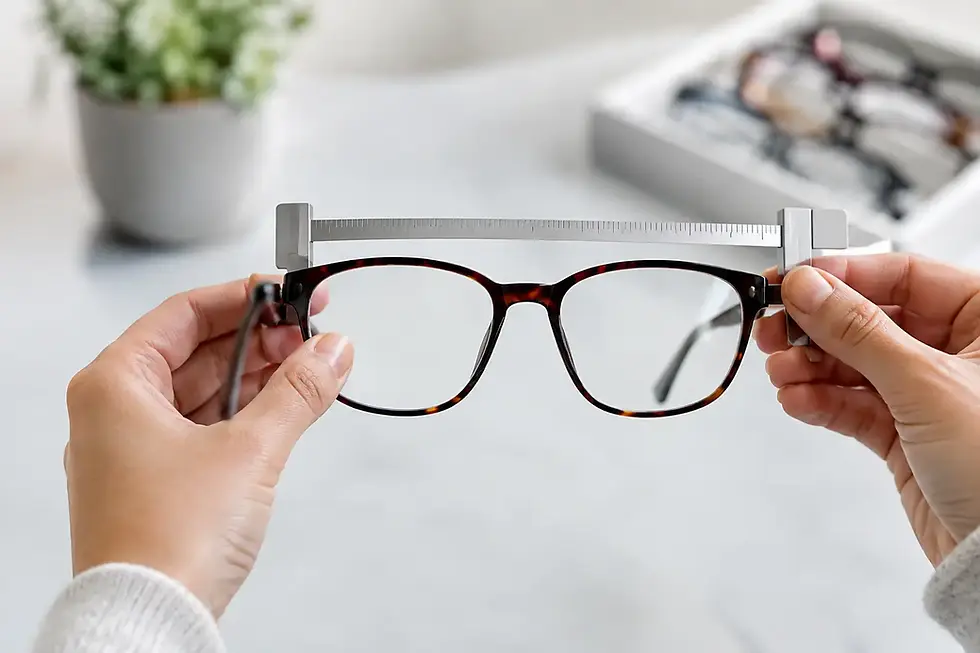
A frame can look excellent in the mirror and still be wrong for you. The bridge must sit securely without pinching or slipping. The temples should rest evenly without pressure behind the ears. The frame width should complement your face rather than extend too far beyond it, and the lens shape should give you enough useful viewing area.
For stronger prescriptions, frame selection becomes even more technical. A smaller, well-centered lens shape can help manage edge thickness and weight. Certain materials and frame constructions may also better support the lenses you need. If you wear progressive lenses, the vertical depth of the frame deserves careful attention because it influences how much room is available for distance, intermediate, and reading vision.
There is no universal “best” frame shape. A bold acetate frame may suit one client beautifully, while a lightweight titanium design is the better match for another person who values barely-there comfort. The best choice is the one that feels like you and performs reliably from morning to evening.
Materials Change the Wearing Experience
Frame material affects weight, flexibility, durability, and adjustment options. Acetate offers rich color, substance, and a tailored feel. Titanium is exceptionally light and corrosion-resistant, making it appealing for long wear and active schedules. High-performance materials, including those used in certain OVVO designs, can provide notable flexibility and resilience.
These differences matter most after the excitement of trying on frames has passed. Your glasses should remain comfortable during calls, commutes, errands, and dinners out. A consultation should include hands-on fitting and honest guidance about the trade-offs between visual impact, lightness, and long-term durability.
Lens Choices Are Where Performance Takes Shape
The lens is doing the most important work, yet it is often the least visible part of a pair of glasses. Premium ZEISS lens technology can be tailored around your prescription, frame choice, and the distances you use most often. That customization is especially valuable for progressive lenses, where precise measurements and fitting have a direct impact on adaptation.
Progressive Lenses Need Personal Measurements
Progressive lenses provide multiple viewing zones without the visible line of a bifocal. They can be an excellent solution for adults who need help with reading while maintaining clear distance and intermediate vision. But not every progressive lens is designed the same way, and not every pair is fitted the same way.
Your optician should account for how the frame sits on your face, the position of your pupils, the frame’s tilt, and its distance from your eyes. These details help determine how the lens zones align with your natural gaze. When the measurements are right, you are more likely to experience comfortable transitions between computer work, conversation, driving, and reading.
Adaptation can still take a little time, particularly if this is your first progressive. That is normal. The right guidance makes the process easier: point your nose toward what you want to see, give yourself a few days of consistent wear, and return for adjustments if anything feels off. Your vision deserves more than a transaction, including after you leave with your glasses.
Consider Your Most Demanding Conditions
A premium eyewear consultation guide should make room for conditions that place extra demands on your eyes. Night driving is one of the most common. Headlights, reflections, wet pavement, and dashboard glare can make an ordinary drive more tiring than it needs to be. ZEISS DriveSafe lenses are designed to address visual demands associated with driving, particularly in lower-light conditions and when glare is present.
For people who move frequently between indoors and outdoors, photochromic lenses can offer practical convenience. They darken in sunlight and return to clear indoors, reducing the need to switch pairs throughout the day. The best option depends on your expectations, vehicle use, and how often you are exposed to direct sunlight.
Premium anti-reflective coatings are another worthwhile conversation. They reduce distracting reflections on the front and back surface of the lens, improve the cosmetic appearance of your eyewear, and can make lenses easier to keep clean. For screen users, drivers, and anyone who wears glasses full time, this is often one of the most noticeable upgrades in daily use.
The Fitting Appointment Is Not a Final Detail
Many eyewear problems are blamed on the prescription when the fit is the real issue. A slight tilt, uneven temple pressure, or frame that has drifted down the nose can shift where you are looking through the lens. With progressive lenses, that can be especially disruptive.
A proper dispensing appointment verifies comfort, alignment, and visual positioning before you settle into daily wear. It should also include practical care advice: rinse lenses before wiping them, use a clean microfiber cloth, and avoid leaving eyewear in a hot car where heat can affect frame alignment and lens coatings.
Ongoing adjustments are part of owning premium eyewear. Frames naturally respond to regular wear, changes in temperature, and the way they are handled. Having a trusted optician who knows your eyewear and can make a precise adjustment is a meaningful advantage over a high-volume purchase.
Arrive Prepared, Leave Confident
Bring your current glasses to the appointment, even if you no longer like wearing them. They can reveal useful information about wear patterns, fit issues, and the choices that did or did not work. If you have a current prescription, bring that as well, along with a clear sense of where your vision feels most challenged.
The best consultation does not steer every client toward the same frame or the most complex lens package. It listens carefully, narrows the choices, and explains why a recommendation fits your needs. Whether you need same-day single-vision eyewear or a carefully personalized progressive, the goal remains simple: glasses that make daily life clearer, more comfortable, and more distinctly your own.
When your next pair is chosen with that level of care, you may stop thinking about your glasses altogether - until someone asks where you found them.


Comments